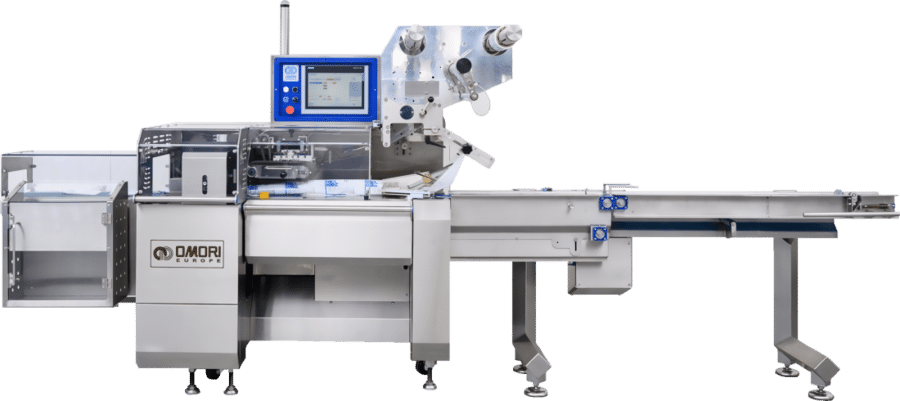
Modern packaging plays a vital role in protecting products and extending their shelf life across various industries. Companies constantly seek efficient methods to wrap goods quickly while maintaining high quality and visual appeal. Implementing an advanced flowpack machine helps manufacturers streamline their production lines and meet demanding market standards. Understanding the benefits of this technology allows businesses to make informed decisions about their operational equipment.
Understanding the core function of horizontal wrapping
A flowpack machine creates a sealed protective pouch around a product using a continuous roll of flexible film. The process involves forming a tube of film around the item, sealing it longitudinally, and then cutting and sealing the ends horizontally. This method provides an airtight enclosure that shields items from moisture, dust, and contamination during transport and storage. Food producers and industrial manufacturers rely heavily on this technique to keep their items fresh and secure.
Many companies look for reliable suppliers when upgrading their packaging facilities. Visiting websites such as omori.eu gives businesses access to specialized knowledge and cutting-edge packaging solutions tailored to different production needs. Investing in reliable machinery ensures that the wrapping process remains consistent even during high-volume manufacturing runs.
Key benefits for food and consumer goods production
Efficiency is one of the main reasons companies transition to automated wrapping solutions. A modern flowpack machine can handle hundreds of units per minute, significantly reducing labor costs and increasing overall throughput. The speed of the equipment does not compromise accuracy, as advanced sensors monitor film alignment and temperature settings continuously. This high level of control minimizes material waste and prevents damaged goods from entering the market.
Flexibility is another major advantage offered by a flowpack machine. Operators can adjust parameters quickly to accommodate different product shapes, sizes, and packaging materials. Whether dealing with fresh bakery items, confectionery, medical devices, or household goods, the equipment adapts easily to diverse requirements. This versatility enables manufacturers to switch between product lines without experiencing long periods of downtime.
Improving product shelf life and sustainability
Preserving product freshness is a priority for companies operating in the food sector. A flowpack machine often integrates modified atmosphere packaging technology, which replaces oxygen inside the package with inert gases. This process slows down oxidation and bacterial growth, allowing food items to remain fresh on store shelves for much longer periods. Extended shelf life reduces food waste throughout the supply chain and enhances customer satisfaction.
Sustainability has also become a critical factor in packaging design. Modern machinery supports recyclable, biodegradable, and thin film materials without sacrificing sealing integrity. By using a flowpack machine optimized for eco-friendly films, companies can lower their environmental impact while meeting consumer demand for greener packaging. Reducing film thickness also lowers material costs and minimizes shipping weight.
Enhancing brand presentation and market competitiveness
The visual presentation of a wrapped product influences consumer buying decisions at the point of sale. A well-designed flowpack machine creates crisp, tight seals and smooth surfaces that enhance the appearance of the graphics printed on the film. High-quality visual appeal signals professionalism and reliability to customers browsing supermarket shelves. Clear film options also allow buyers to inspect the product inside, building trust in the brand.
Automation also simplifies quality control procedures on the factory floor. Integrated vision systems and automated rejection units detect defective seals or incorrectly placed items before they leave the facility. Incorporating a flowpack machine into a fully automated production line ensures that every package leaving the plant adheres to strict quality standards. Businesses that prioritize consistency gain a strong competitive edge in crowded marketplaces.


